Introduction
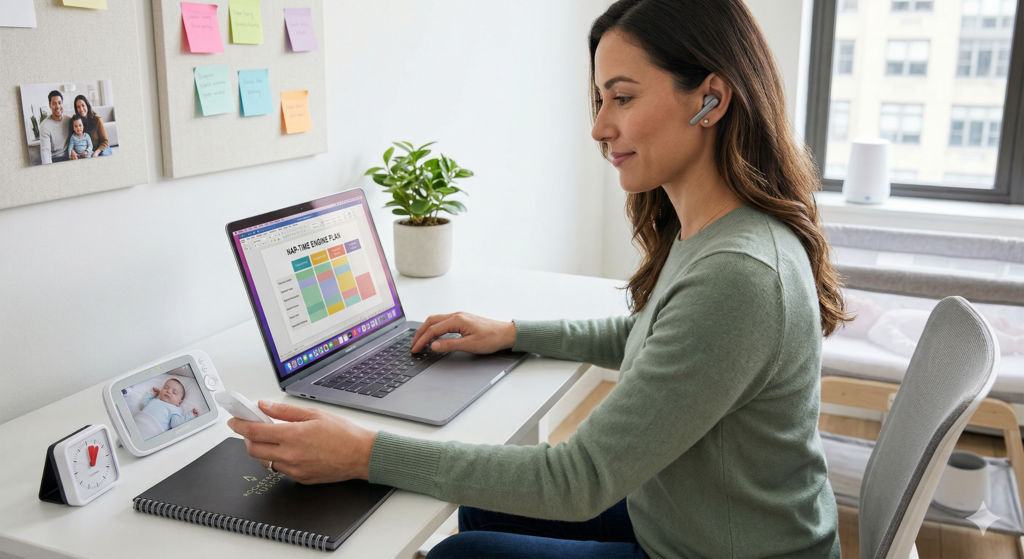
As remote working becomes increasingly prevalent, many parents are navigating the complex balancing act of managing professional responsibilities while caring for children. The challenges of attending virtual meetings, particularly video calls on platforms such as Zoom, can often be exacerbated by unexpected interruptions from toddlers. During these critical moments, parents may find themselves grappling with feelings of frustration and embarrassment as their children cry or demand attention just as they are expected to present their latest project updates.
This scenario is a common experience for many working parents. Imagine preparing for an important call only to realize that your child is determined to play with a toy that has suddenly become far more engaging than your work. The sound of laughter, crying, or mischief can be a serious disruption, leading to feelings of self-doubt about one’s ability to juggle both work and childcare. Such interruptions can not only affect the quality of interactions during these calls but may also lead to feelings of isolation as parents wonder if they are the only ones struggling.
However, it is essential for parents to acknowledge that this challenges myriad others are encountering. Building a network of support, whether through virtual communities or engaging with colleagues who understand this predicament, can foster a sense of shared experience. Moreover, exploring effective strategies for creating a more conducive working environment at home can help minimize distractions and enhance productivity during work hours. The integration of family activities into work schedules, alongside clear boundaries, can pave the way for a more harmonious dual contribution to both work and family life.
The Golden Window: Identifying and Protecting Deep Work Blocks
In the realm of remote working, the concept of ‘deep work’ plays a crucial role in enhancing productivity. Deep work refers to periods of focused, uninterrupted work that allow individuals to produce high-quality output. For parents working from home, these periods often align with the nap times of their children, creating invaluable “golden windows” for achieving significant tasks.
To make the most of these deep work blocks, parents should start by identifying their peak productivity periods—times when they feel most alert and capable of concentrating. This often coincides with nap times, but may also vary depending on personal routines and preferences. A simple way to track these patterns is by maintaining a productivity journal for at least a week, noting when periods of focused work feel most fruitful.

- New and Improved Core: Features premium reusable paper, with improved pen to paper feel, spiral binding and sleekly re-d…
- App-Enabled for Digital Organization: Scan and upload your written work directly to cloud platforms like Google Drive, D…
- Write, Digitize, Erase, and Re-Write: Write notes with the included Pilot Frixion Pen, digitize effortlessly using the R…
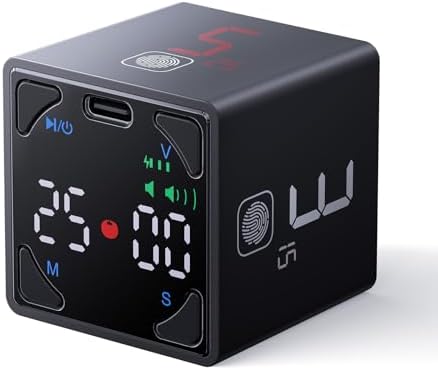
- Super Easy to Use. Flip to Start the Countdown. The pomodoro timer has 4 preset times countdown(1/3/5/10 minutes) which …
- Multiple Timing Modes. The cube timer offers countdown, count-up & pomodoro modes. Besides the 8 preset countdown and cu…
- Suitable for Various Scenarios. The digital timer is a perfect tool for office, work, meetings, kids, study, reading, wo…
Once these peak periods are identified, it becomes critical to shield them from distractions. One effective method is to create a dedicated workspace that signals to both oneself and others that this is a space for focused work. This can be as simple as a corner of a room set up with the necessary tools that promote concentration. Additionally, setting deliberate intentions regarding goals for each deep work session can help maintain focus, driving productivity and preventing lapses into distraction.
Furthermore, consistency is key to protecting these golden windows. Establishing a regular schedule not only helps in building discipline but also trains both the parent and the child to expect and respect these moments of work. Over time, reinforcing the value of these work sessions can cultivate an environment where focused productivity flourishes, ultimately benefiting both the parent and the family as a whole.
The Soundproof Sanctuary: Tactics for Minimizing Household Noise
In a remote working environment, household noise can significantly hinder concentration and productivity. Establishing a soundproof sanctuary becomes essential for parents attempting to balance work responsibilities with home life. One effective tactic is the use of noise-canceling headphones. These headphones utilize advanced technology to significantly reduce ambient noise, allowing individuals to focus on tasks without distractions from family activities or external sounds. Investing in quality headphones can create an immersive work experience, leading to greater efficiency and less stress.

- BREAKTHROUGH SPATIALIZED AUDIO: Super immersive sound spatializes everything, taking the music out of your head and plac…
- NOISE CANCELLING HEADPHONES: Enjoy Bose’s best noise cancellation for headphones with Quiet Mode, turn on Aware Mode to …
- NEW CINEMA MODE: Bring video content to life like never before with Cinema Mode; spatialize and balance background sound…
Another valuable tool in minimizing noise is sound-masking devices, such as white noise machines. These devices generate consistent sound frequencies that help drown out disruptive noises, providing a more serene atmosphere for focused work. White noise can effectively cover sounds from children playing, phone calls, or outside disturbances, assisting in maintaining concentration over extended periods. Placing the machine strategically within the workspace can enhance its effectiveness in creating a soundproof sanctuary.

- 𝗢𝘂𝗿 𝗹𝗮𝘁𝗲𝘀𝘁, 𝘂𝗽𝗱𝗮𝘁𝗲𝗱 𝗥𝗲𝘀𝘁+ 𝘀𝗼𝘂𝗻𝗱 𝗺𝗮𝗰𝗵𝗶𝗻𝗲. 𝖪𝖾𝖾𝗉 𝗒𝗈𝗎𝗋 𝗅𝗂𝗍𝗍𝗅𝖾 𝗈𝗇𝖾 𝖽𝗋𝖾𝖺𝗆𝗂𝗇𝗀 𝗐𝗂𝗍𝗁 𝗌𝗈𝗎𝗇𝖽𝗌 𝗅𝗂𝗄𝖾 𝗐𝗁𝗂𝗍𝖾 𝗇𝗈𝗂𝗌𝖾, 𝗐𝗂𝗇𝖽, 𝗋𝖺𝗂𝗇, 𝖺𝗇𝖽 𝗅𝗎𝗅…
- 𝗡𝗶𝗴𝗵𝘁 𝗟𝗶𝗴𝗵𝘁 𝗮𝗻𝗱 𝗦𝗼𝘂𝗻𝗱 𝗠𝗮𝗰𝗵𝗶𝗻𝗲. 𝖬𝖺𝗄𝖾 𝗆𝗂𝖽𝗇𝗂𝗀𝗁𝗍 𝖿𝖾𝖾𝖽𝗂𝗇𝗀𝗌 𝗌𝗈𝗈𝗍𝗁𝗂𝗇𝗀 𝖺𝗇𝖽 𝗍𝗁𝖾 𝖽𝖺𝗋𝗄 𝗅𝖾𝗌𝗌 𝗌𝖼𝖺𝗋𝗒 𝗐𝗂𝗍𝗁 𝖺 𝗋𝖾𝖺𝗌𝗌𝗎𝗋𝗂𝗇𝗀, 𝖼𝖺𝗅𝗆𝗂𝗇𝗀 𝗀𝗅𝗈𝗐. …
- 𝗖𝗵𝗮𝗿𝗴𝗶𝗻𝗴 𝗯𝗮𝘀𝗲 𝗽𝗼𝘄𝗲𝗿𝘀 𝘂𝗽 𝘁𝗼 𝟴-𝗵𝗼𝘂𝗿 𝗯𝗮𝘁𝘁𝗲𝗿𝘆. 𝖶𝗁𝖾𝗋𝖾𝗏𝖾𝗋 𝗒𝗈𝗎𝗋 𝗅𝗂𝗍𝗍𝗅𝖾 𝗈𝗇𝖾 𝗌𝗇𝗈𝗈𝗓𝖾𝗌, 𝖱𝖾𝗌𝗍+ 𝖿𝗈𝗅𝗅𝗈𝗐𝗌. 𝖶𝗂𝗍𝗁 𝖺 𝗉𝗈𝗋𝗍𝖺𝖻𝗅𝖾 𝖽𝖾𝗌𝗂𝗀𝗇 𝖺𝗇𝖽 𝖻…
In addition to these devices, making simple adjustments in the home environment can contribute to a quieter workspace. Utilizing soft furnishings, such as cushions and drapes, aids in absorbing sound and mitigating echoes. Furthermore, re-arranging furniture to create physical barriers can also assist in reducing noise transmission between different areas of the home. Scheduling work during periods when the household is generally quieter, such as nap times or after school hours, can also optimize productivity. Implementing these strategies can create a more conducive work environment and help remote working parents manage their dual roles more effectively.
The Interruption Protocol: Setting Visual Boundaries with Kids
In the realm of remote work, establishing visual boundaries serves as a crucial mechanism for ensuring productivity and minimizing distractions, particularly for working parents. Communicating clearly with children about when work is in progress can foster an understanding of the importance of focused time, thus creating a more conducive home environment for both parents and children.
One effective approach to set visual boundaries is by using designated signals. For instance, a simple colored sign—such as red for “do not disturb”—can serve as a powerful reminder for children that their parent is engaged in work. Hanging this sign on the home office door or workspace can signal to all family members that interruptions should be minimized during specific hours. Additionally, incorporating a visual timer can help children grasp when their parent will be available again, teaching them patience and understanding of time management.
Another technique involves utilizing a dedicated workspace that is consistently associated with work activities. When children see their parent in this physical space, they can learn to recognize that it is time for focused work. This could be further enhanced by setting up a consistent routine, reinforcing that when the workday begins, interruptions need to be limited. Children thrive on routine and regularity, making this method particularly effective.
Moreover, discussing these boundaries with children can empower them to understand why respect for work time is essential. Parents should explain how their concentration contributes to family well-being and the benefits that stem from achieving work goals. This dialogue goes beyond setting boundaries; it educates children on professionalism and the significance of respecting others’ work commitments, ultimately instilling a sense of discipline that can be beneficial in their own lives.
By establishing clear visual cues and communicating their purpose effectively, remote working parents can significantly enhance both their productivity and their children’s understanding of work boundaries, ultimately cultivating an environment where everyone can thrive.
The ‘Active Desk’ Philosophy: Staying Physically Healthy While Stuck at a Computer
In today’s digital age, the need for remote work often leads parents to spend extended periods seated in front of their computers. This sedentary lifestyle can have adverse effects on physical health, including weight gain, back pain, and fatigue. To counter these issues, the ‘active desk’ philosophy has emerged as a proactive approach to integrating movement into the workday. This concept encourages the use of tools such as under-desk ellipticals or balance boards, allowing parents to engage in physical activity while still accomplishing their work tasks.

- WHISPER-QUIET, MANUAL OPERATION : Lifepro FlexStride plus under desk elliptical machine is fully manual—no cords or moto…
- CUSTOMIZED WORKOUT: Lifepro FlexStride Plus allows you to choose from 8 tension levels on this seated pedal exerciser to…
- PORTABLE & SPACE-SAVING – PERFECT FOR HOME OR OFFICE: With a compact footprint, our under desk elliptical fits under mos…
Implementing an active desk environment can significantly enhance productivity and overall well-being. One effective strategy is to schedule regular movement breaks throughout the day. For instance, setting a timer for every 30 to 60 minutes can serve as a reminder to stand up, stretch, or take a short walk around the home. These brief intermissions can help reduce muscle tension, boost circulation, and improve concentration, making it easier to refocus on work tasks while mitigating feelings of fatigue.
Moreover, integrating physical activity into the daily routine does not necessitate extensive time commitments. Simple changes, such as standing during conference calls, engaging in brief stretching exercises, or taking phone calls while walking, can profoundly impact one’s health. Parents may also consider involving their children in physical activities, such as short dance breaks or family walks, to make exercise a more enjoyable aspect of the workday.
Overall, embracing the ‘active desk’ philosophy is not only beneficial for immediate physical health but also contributes to long-term productivity and enhanced mental clarity. By prioritizing movement and incorporating more active habits into their daily schedules, remote working parents can create a healthier workspace while navigating the challenges of working from home.
Conclusion: An Encouraging Summary and Call to Action
As remote working parents navigate the complexities of balancing professional responsibilities and familial duties, the strategies outlined in this guide serve as a roadmap to foster a more harmonious work-from-home experience. Effective time management, a well-structured home office, and the establishment of clear boundaries between professional and personal time are essential components of maintaining productivity while ensuring quality family interactions.
Implementing techniques such as the Pomodoro Technique can greatly enhance focus during work hours, enabling parents to maximize their efficiency. Additionally, integrating short breaks can rejuvenate mental energy, benefitting both the parent and the child alike. Establishing a family routine resonates positively on children, creating a sense of stability even amidst the chaos of remote work. This guide also emphasizes the importance of self-care, which is crucial not just for personal well-being but also for sustaining the energy required for effective parenting.


It is equally important for parents to remain adaptable. The world of remote work is ever-evolving, and flexibility often translates into better efficiency. This adaptability applies not just to work tasks but also to parenting challenges. Recognizing that some days will be more difficult than others is key to maintaining sanity and perspective.
As you take steps towards refining your remote working experience, remember that you are not alone in this journey. Many other parents experience similar struggles, and sharing strategies and experiences can be an invaluable resource. For more detailed insights and tools to further support your work-from-home journey, we invite you to download the full e-book. Together, we can create a sustainable work-life balance that fosters professional success and nurturing family moments.